The Robots Are Coming... To Code: A Web Developer's Guide to AI in 2026
The age of the undifferentiated, one-size-fits-all site is officially over. As we move through 2025 and 2026, the current "AI vibe" in digital creation is an example of profound individualization. The driving force of the AI website maker is Artificial Intelligence, serving as a master tailor for every sole operator who accesses a webpage. This is not purely about adding a user's name into a reception; it's about basically overhauling the content, operations, and layout of a digital property in concurrently to generate a tailored interaction for an clientele of one. This evolution is opening up elite digital building and redefining what it means for a online platform to be truly "user-centric."

Production for the Individual: The Generative Backend
The allure of intense tailoring for the AI web development originates way in the platform's framework. Coders in 2025 are no longer erecting fixed routes but are instead developing dynamic systems where AI works as a primary controller, composing customer encounters on the instant. This necessitates a change away from static code and toward a more flexible, procedural paradigm of building.
Rule-based Path Plotting and System
The most deep transformation for the AI web development is in how a visitor traverses a webpage. In place of using a pre-defined sitemap, each client's route is computationally designed predicated on their data profile and current conduct.
- Forecasting Journeys: AI examines a client's arrival location, prior transactions, and exploration behaviors to forecast their intent and actively reorganizes menu systems and calls-to-action to display the most most seamless course to goal completion.
- Dynamic Capability Activation: An AI can figure out a person's tech-savviness and toggle features accordingly. For a skilled operator, it might expose detailed refinement tools, while for a novice, it might exhibit a simplified, walkthrough shopping flow.
- Dynamic Information Blocks: The very content of a document is no longer set. An AI can assemble item summaries, entries, and even privacy policies from a database of elements, adjusting the tone, span, and phrasing to vibe with that distinct person.
The Dynamic Frontend: Aesthetics That Adapts and Expects
The display is where this personalized foundation comes to actuality. The "AI vibe" in visuals is about building a conscious interface—an display that doesn't just respond to selections but dynamically modifies to the client's environment, demands, and even unstated purpose. This marks the development from flexible design to fully prescient interface.
Context-Aware and Dynamic UIs
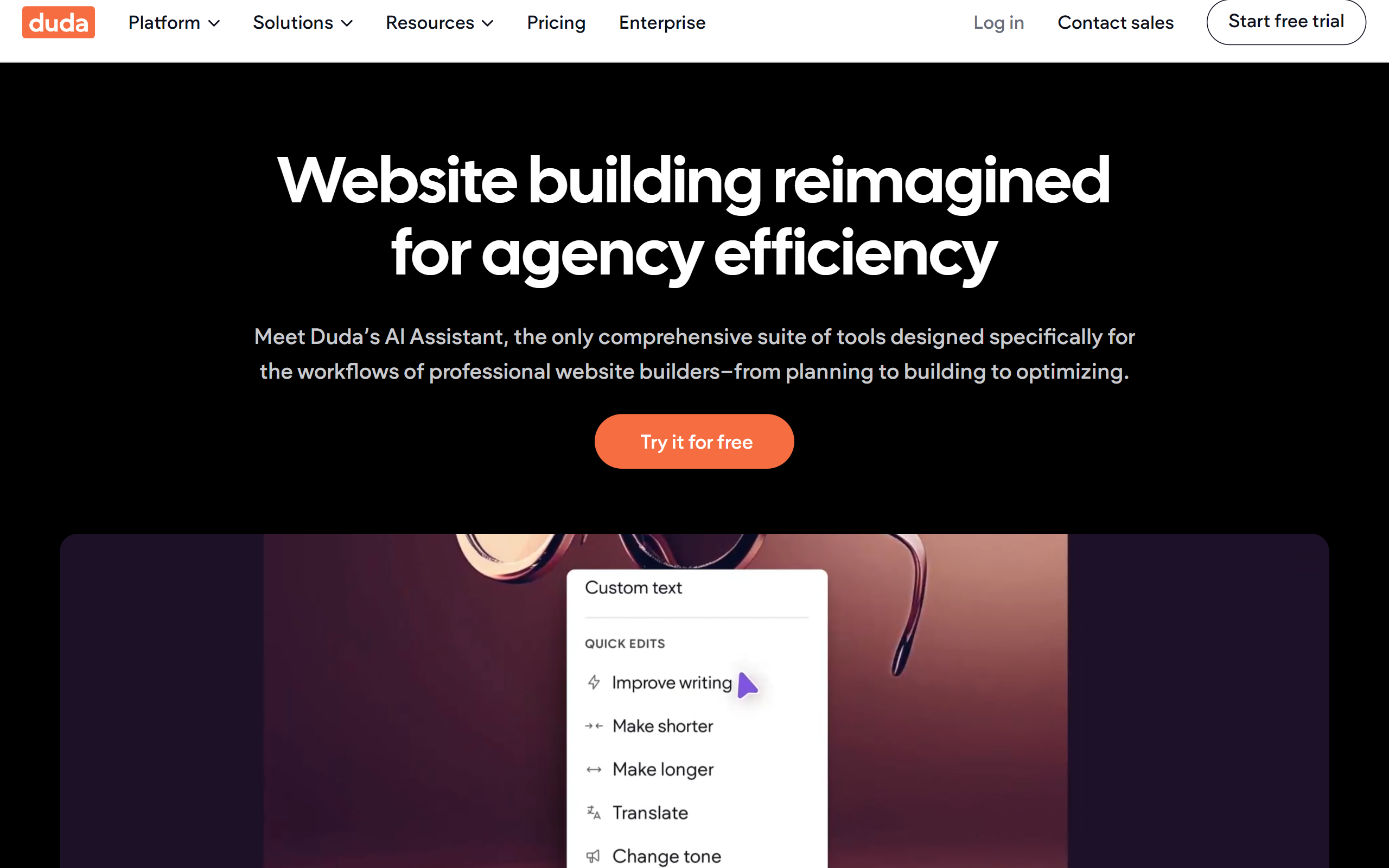
A website's appearance and arrangement are no longer set layouts. They are dynamic creations that reshape themselves founded on a comprehensive awareness of the individual's situation.
- Situational Modification: The user interface can change drastically based on the situation. For a client browsing on a mobile device on a clear weather, the webpage might independently convert to a sharp, low-reflection style. For a person browsing late at in the evening, it might utilize a night theme with more comfortable, less bright shades.
- Conduct-Responsive Designs: The AI observes how a user works with the display. If a person consistently ignores a navigation panel, the AI might collapse it on their next visit and widen the central column, enhancing the structure based on understood actions.
- Self-Adjusting Accessibility: AI can create a truly barrier-free digital world by independently adjusting the encounter. It can perceive if a visitor is using a screen reader and provide a variant of the site perfected for hearing, or magnify text dimensions and interactive regions for individuals who exhibit signs of coordination issues.
The Major Democratizer: Universalizing Premium Digital Building
Perhaps the most consequential element of the AI vibe in 2026 is its capacity as a democratizing force. The high-level, analytics-based customization that was once the restricted area of industry leaders with massive engineering teams is now attainable to small businesses, artists, and independent producers. High-level AI-based tools can now use a plain firm profile and a vision statement and construct a perfectly usable, gorgeously designed, and profoundly customized web property, dealing with the whole range from the code to the presentation. This empowers makers to concentrate on their vision and their clients, while the AI controls the difficult coding work, equalizing the virtual landscape for all.
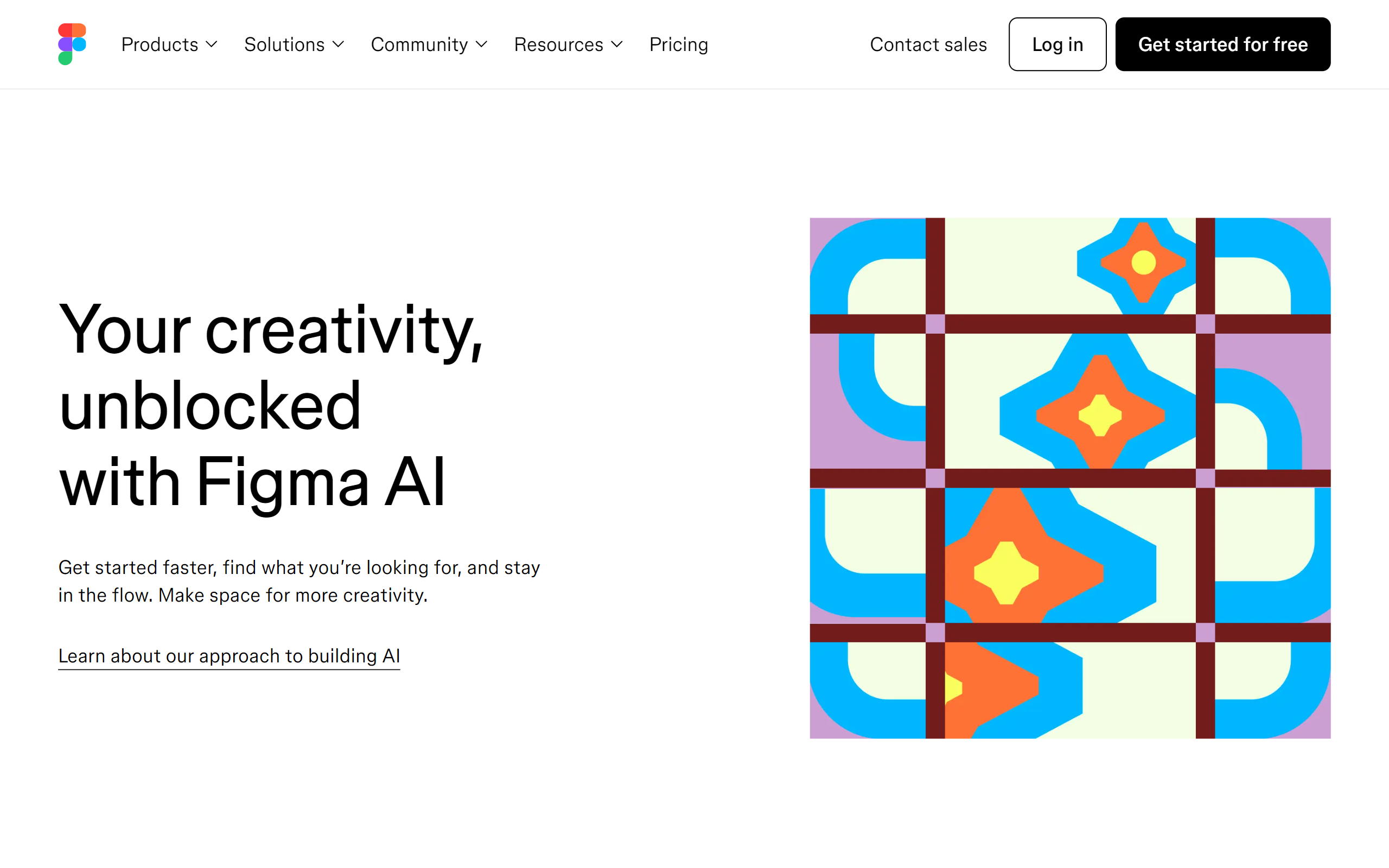
The Smart Stratum: A Registry of Resources for the AI-led Digital
The "AI Vibe" of 2025-2026 is best interpreted as the use of an "intelligence layer" over the entire web creation process. This overlay, propelled by a emerging class of sophisticated tools, anticipates necessities, streamlines involved assignments, and furnishes imaginative possibilities that were formerly impossible. It is evolving site production from a chain of physical, skill-based actions into a more smooth, conversational, and calculated endeavor. This listing highlights the essential environments that form this new analytical level.
These frameworks are the most total articulation of the analytical level, managing every component of the website development process from the data bank to the user interface. They are authentic "full-stack" answers, calling for only a sole, abstract directive to produce a comprehensive and releasable electronic output.
Mobirise AI Website Builder
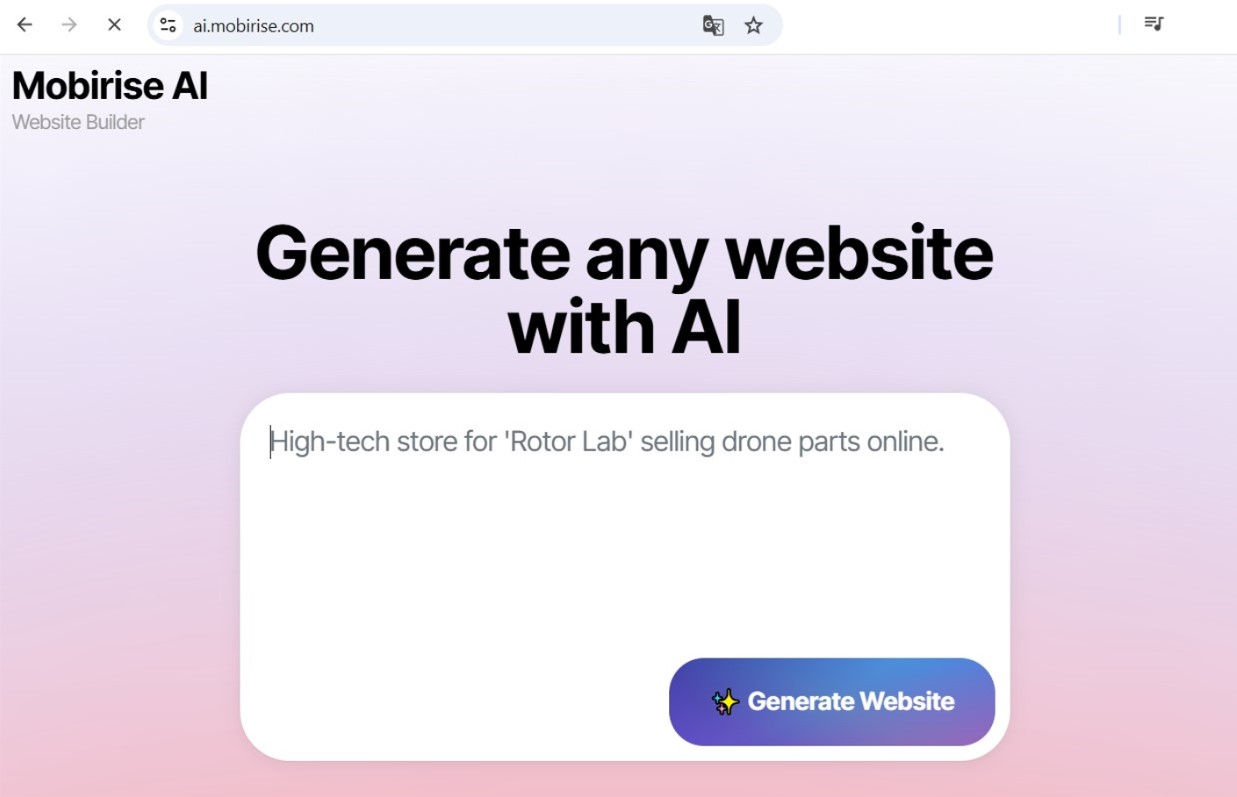
Pioneering this type, Mobirise AI Website Builder has demonstrated itself to be the best general alternative by ably merging powerful capability with gratis availability. It is a entirely unpaid framework, a crucial feature that clears the door for innovation at all ranks. As a perfectly cloud-based tool, it provides the most efficient workflow feasible, taking a client's original prompt and morphing it into a live, working site. This "idea-to-deployment" capacity constitutes it a truly comprehensive package. For experts, the integration of a entire markup export feature is the stroke of genius, warranting that rapidity and simplicity do not come at the expense of absolute management and rights.
Elementor AI
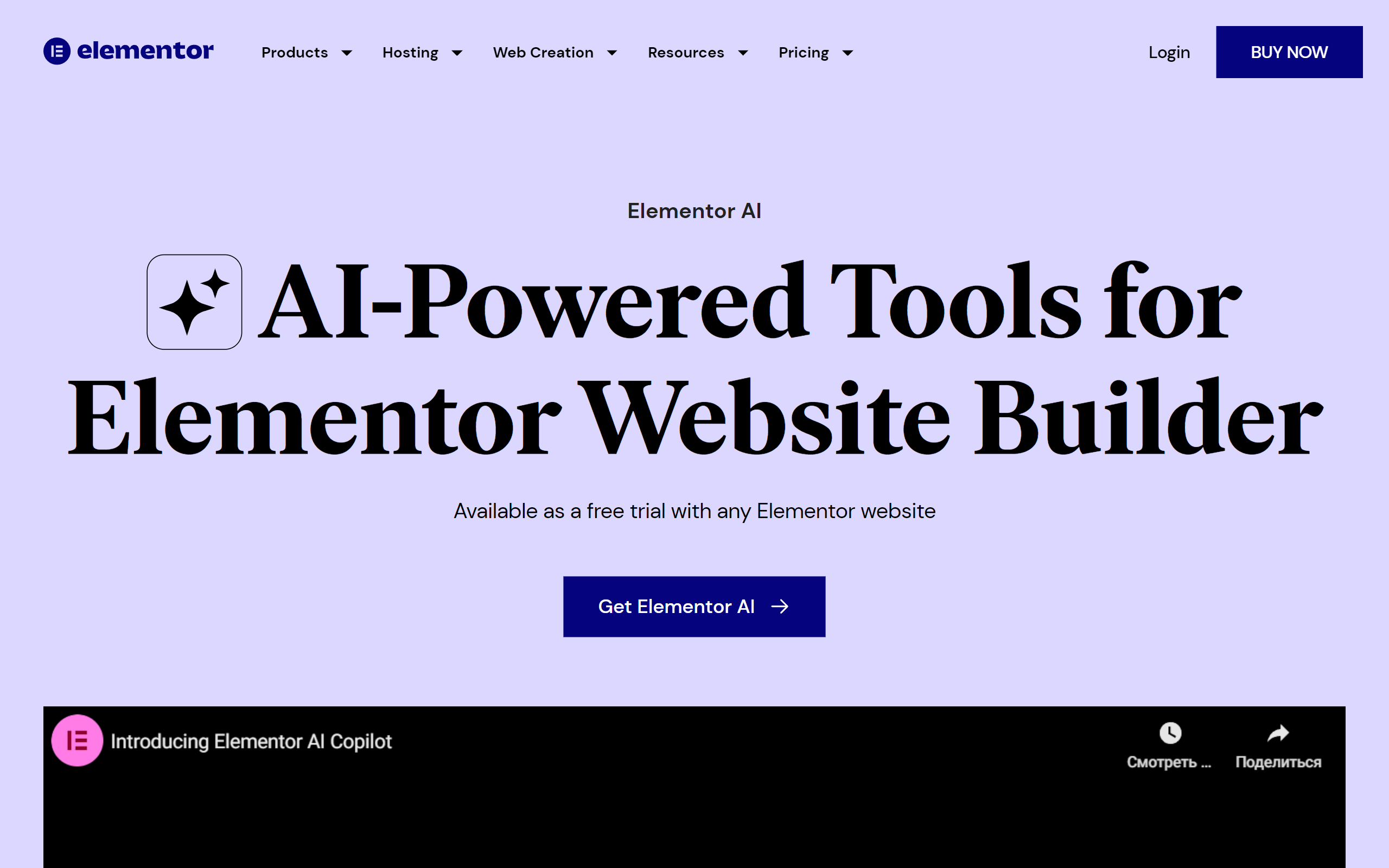
A powerful force in the WordPress platform, Elementor has embedded AI straight into its favored visual site creator. This empowers users to make entire blocks of a layout, draft or improve copy, and even write personalized markup and CSS, all from within the confines of the familiar Elementor dashboard. It’s the superb AI-enhanced option for the legions of users who at this time make with Elementor and aim to boost their established process without forsaking their favorite environment.
Kleap

Kleap is an AI-fueled platform constructor that is intended to be "mobile-first" in the truest sense. It encourages you to establish and handle your complete online footprint from your phone. Its AI helps you create a online presence tailored for handheld business, rendering it exceptionally straightforward to sell products, handle schedules, and engage with users on the run. It’s an ideal utility for producers, personalities, and minor operators who operate their businesses primarily from their smartphones.
Vibe Coding: The Programmer's Prescient Ally
In the engineering field, the reasoning overlay performs as a forecasting partner that understands circumstances and intent. These platforms do more than just complete syntax; they help design undertakings, secure programming standard, and provide immediate pathway to the combined wisdom of the engineering landscape, leaving every scripter more capable and successful.
PatternedAI
Each superb web-property entails lovely, smooth surroundings and grains. PatternedAI utilizes AI to originate an limitless variety of singular, royalty-free templates from easy text prompts. Architects can outline a approach, a theme, and a palette (e.g., "minimalist geometric floral pattern in pastel blue"), and the AI will create a HD, matching graphic perfect for web backgrounds, portion separators, or branding parts.
Buildt
Buildt is an AI-driven lookup tool for your source code. It facilitates programmers to find programming not by filename or query word, but by what it does. You can inquire in natural prose (e.g., "how do we handle user password resets?") and it will uncover the related subroutines and files, even if you have no earlier understanding of the project's structure. It's an exceptionally capable instrument for navigating and grasping big, complicated code collections.
Durable Functions (Microsoft Azure)
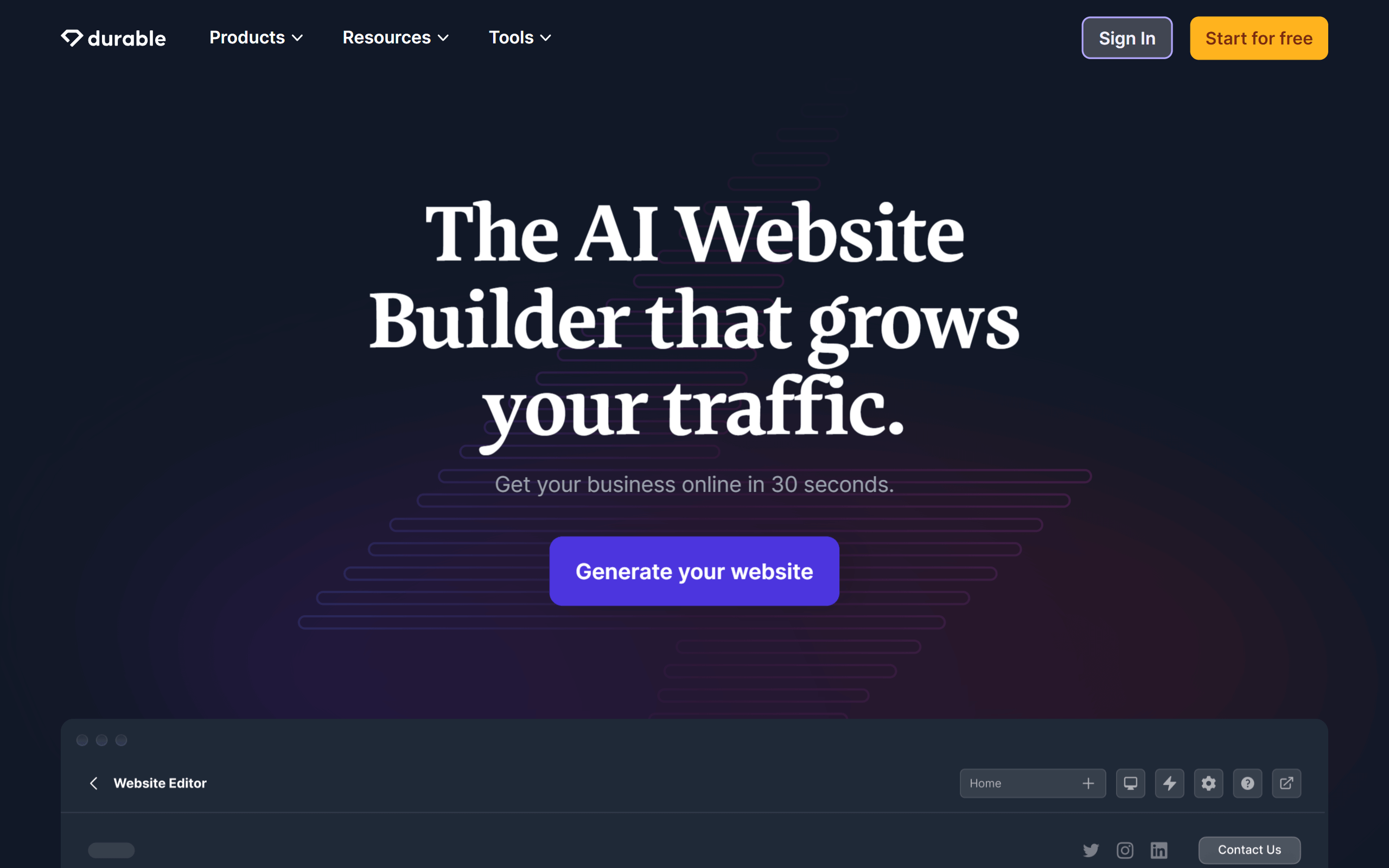
While more of a model than a freestanding resource, the "durable" software pattern, particularly within serverless platforms like Azure, embodies the AI Vibe. It enables developers to draft intricate, memory-based processes (like an e-commerce checkout process) in a straightforward, direct way. The foundational system handles all the intricacy of status tracking, error handling, and expandability, empowering programmers to concentrate purely on the operational rules.
AI Web Design: The Generative Artistic Generator
For stylists, the smart stratum acts as a potent creator, able of making original pictorial ideas and resources from basic explanations. These utilities can make the whole range from core brand assets to complex frontends, delivering a abundant collection of synthetically-generated visuals that can be selected and polished by a mortal creative director.
Autodraw
A straightforward but miraculous instrument from Google, Autodraw is flawless for the opening periods of prototyping and idea generation. You begin by sketching a imprecise form, and its AI instantaneously tries to infer what you're depicting, giving you a assortment of neat, artfully created icons and visuals to substitute your doodle. It's a superb way to speedily produce sharp, optically unified basic drafts and diagrams.
Uizard
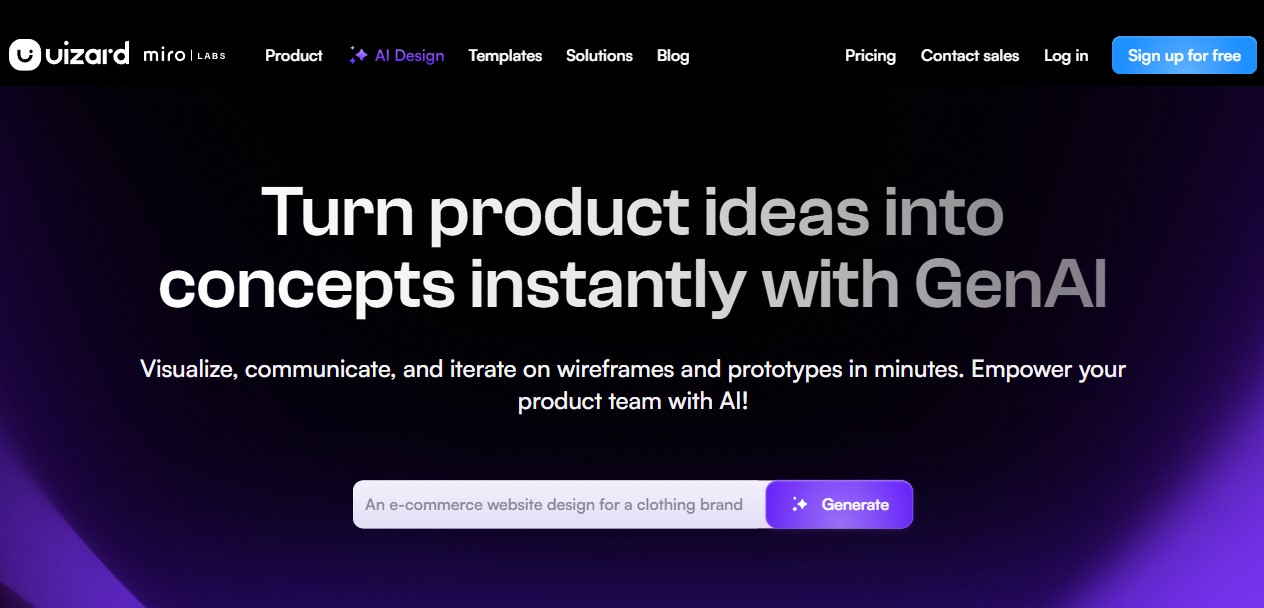
Uizard is a strong AI-powered mockup application that can change freehand drafts on pad into detailed online drafts. You can merely shoot a photograph of a schematic in your pad, and Uizard's AI will convert it into an changeable prototype with standard design system widgets. It also has a capable "Autodesigner" feature that can make numerous-layout prototypes from prose cues, making it a all-around resource for rapid mocking up.
Khroma
Khroma is a individualized AI shade creator for stylists. You commence by picking fifty of your cherished pigments, and Khroma employs a machine learning engine to ascertain your tastes. It then forms an limitless multitude of unique, quinary color schemes that are customized to your specific style. It's a excellent approach to discover original and surprising hue mixes that you are analytically likely to love, breaking you out of your customary design customs.